Tracing Incentive Pathways That Move Users from Trial Simulations to Licensed Live Mobile Gaming Sessions
Freya Foster · Oct 25, 2026
Tracing Incentive Pathways That Move Users from Trial Simulations to Licensed Live Mobile Gaming Sessions
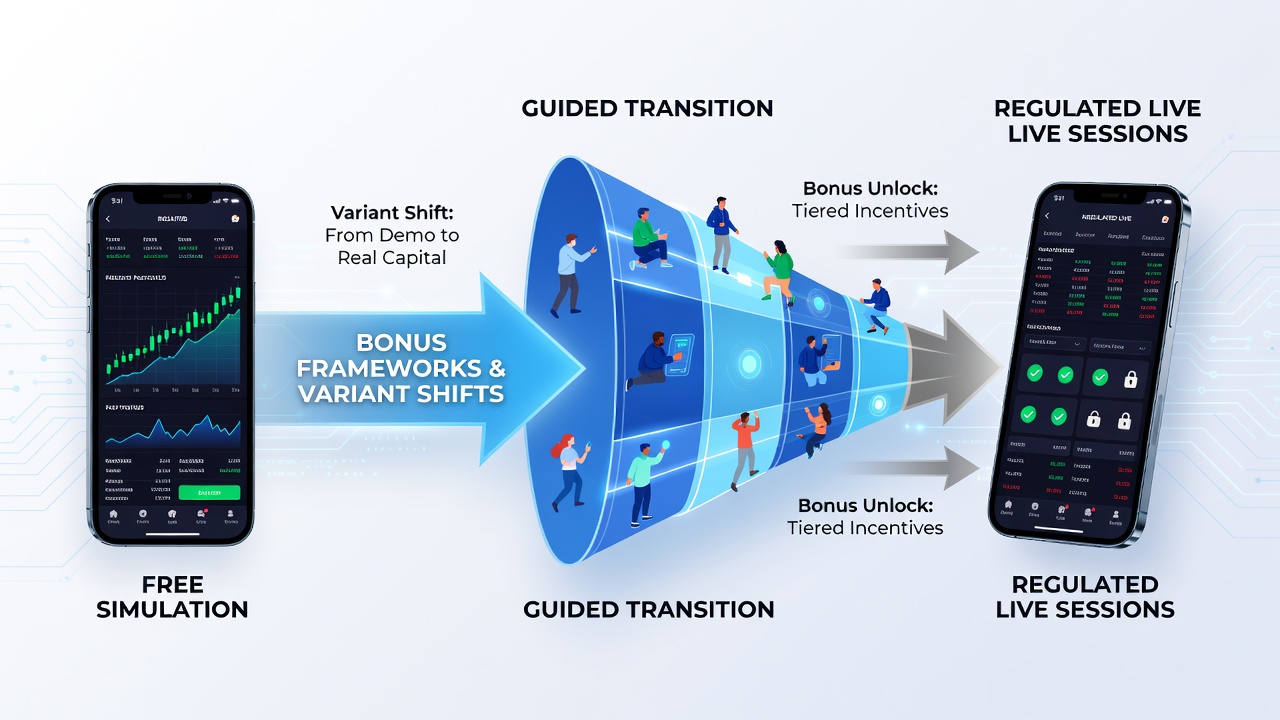
Data from industry reports shows that mobile platforms employ structured bonus frameworks to shift users from free simulations into regulated live sessions, with variant shifts in game rules and payout structures playing a central role in this progression. Observers note that these systems appear across multiple jurisdictions where remote gaming operates under licensing requirements, including frameworks managed by bodies such as the Nevada Gaming Control Board and the Australian Communications and Media Authority.
Free simulation modes typically offer unlimited virtual credits and simplified mechanics, allowing users to test core rules without financial exposure. Bonus frameworks then introduce limited-time incentives that require account verification and deposit activity to unlock, creating measurable steps toward live environments. Research indicates that operators adjust these incentives based on user engagement metrics collected during the simulation phase, tailoring offers to individual play patterns.
Core Mechanics of Bonus Frameworks
Bonus structures often begin with welcome packages that match initial deposits at set percentages, while subsequent rewards tie to specific actions such as completing a certain number of rounds or reaching predefined wager thresholds. These mechanisms operate alongside variant shifts where game parameters change between modes, for instance introducing live dealer interactions, real-time betting windows, and rule modifications like adjusted payout ratios for side bets. Analysts have observed that such shifts encourage users to apply skills developed in simulations to the higher-stakes live setting.
Studies from academic institutions including the University of Nevada, Reno have examined how these layered incentives affect session duration and spend patterns across mobile devices. Figures reveal that users who engage with simulation modes for extended periods before activating bonuses demonstrate higher retention rates once they enter regulated sessions. Operators track these movements through integrated analytics that log transitions from demo accounts to verified profiles.
Variant Shifts Across Mobile Platforms
Game variants evolve as users progress, moving from static simulation versions with preset outcomes to dynamic live versions that incorporate real dealer feeds and variable deck compositions. Mobile applications facilitate this change through seamless interface updates that maintain familiar control layouts while introducing new elements such as chat functions and multi-table options. Data collected in October 2026 indicates increased adoption of these hybrid features on both iOS and Android ecosystems, driven by updates in cross-platform compatibility standards.
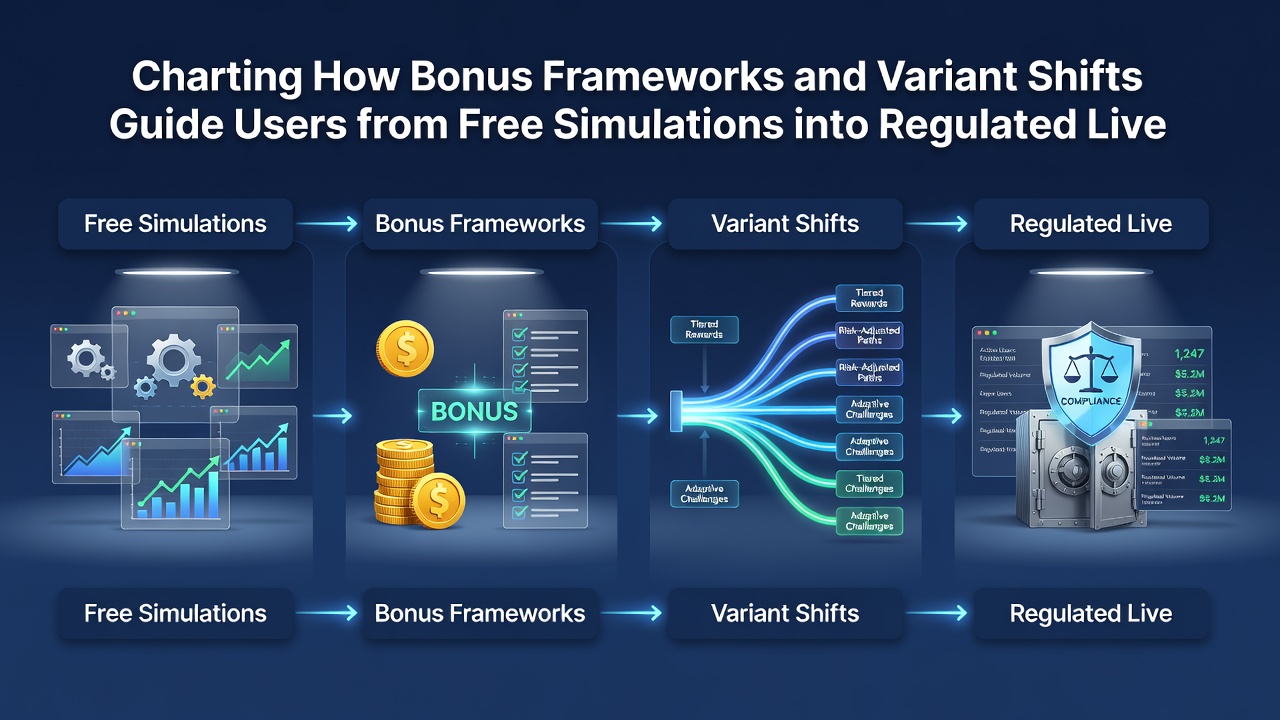
Platform providers coordinate with regulatory entities to ensure that variant changes comply with licensing conditions, particularly regarding transparency of odds and responsible gaming prompts. Those who have analyzed user flow data note that variant shifts often coincide with bonus expiration deadlines, prompting decisions about continued play in the live environment. External reports from organizations like the Canadian Gaming Association highlight similar patterns in North American markets where mobile adoption continues to expand.
Regulatory Context adn Platform Implementation
Regulated live sessions require identity verification and adherence to jurisdiction-specific rules that free simulations bypass entirely. Bonus frameworks incorporate these requirements by gating access behind compliance steps, such as age confirmation and geographic restrictions enforced through IP and device checks. Industry associations report that this gated approach helps maintain separation between practice environments and authorized real-money activity while still guiding interested users forward.
Implementation varies by operator yet follows consistent patterns where simulation performance influences the scale of bonus offers extended to each account. For example, users demonstrating consistent strategy application in free modes may receive enhanced match rates or additional free rounds upon transition. Academic papers on behavioral economics in gaming contexts suggest these personalized pathways increase the likelihood of sustained participation once live access is granted.
Conclusion
Overall patterns show that bonus frameworks combined with deliberate variant shifts create structured pathways from free simulations to regulated live mobile sessions. Platform data and regulatory filings continue to document these transitions, with sources such as the European Gaming and Betting Association providing comparative statistics across regions. The process relies on measurable incentives and rule adaptations that align user preparation in simulations with the demands of authorized live environments.